Solar Shingle Technology: The 2026 Definitive Architectural Guide
The evolution of the residential building envelope has reached a critical juncture where the distinction between shelter and power generation is effectively dissolving. For decades, the adoption of solar energy was a binary choice of addition—standard photovoltaic modules were bolted onto an existing roof, creating a distinct mechanical and aesthetic layer. However, the emergence of high-performance Building-Integrated Photovoltaics (BIPV) has shifted the paradigm toward architectural unity. Solar Shingle Technology. The roof is no longer a passive barrier against the elements; it is an active, semi-conductive skin.
In 2026, the landscape of “Solar Shingle Technology” has matured beyond the boutique experiments of the early 2010s. We are witnessing the industrial-scale deployment of materials that satisfy the dual requirements of ASTM-rated roofing durability and Tier-1 solar conversion efficiency. This transition is not merely cosmetic. It represents a fundamental change in how we conceptualize the “Total Cost of Ownership” for a home, where the roof is treated as a long-term capital asset that produces a quantifiable yield rather than a depreciating maintenance liability.
As the grid becomes more volatile and distributed energy resources (DERs) become a requisite for residential resilience, the sophistication of these integrated systems has scaled accordingly. Navigating this sector requires an analytical depth that transcends marketing brochures. This definitive reference examines the material science, electrical architecture, and systemic risks inherent in modern solar roofing, providing a rigorous framework for homeowners and professionals evaluating the future of the productive envelope.
Understanding “Solar Shingle Technology”
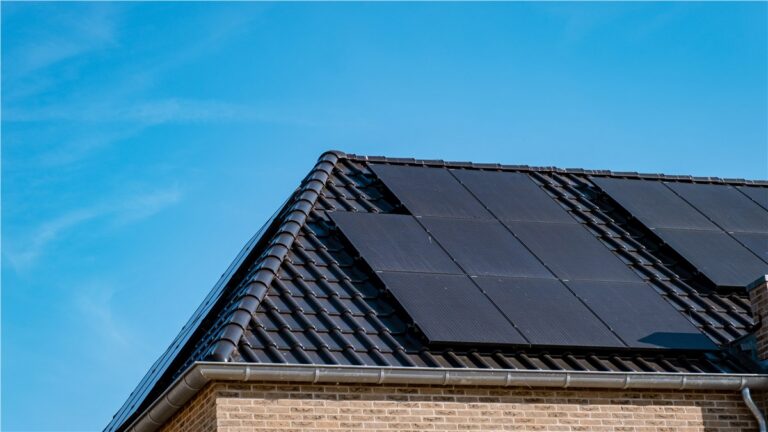
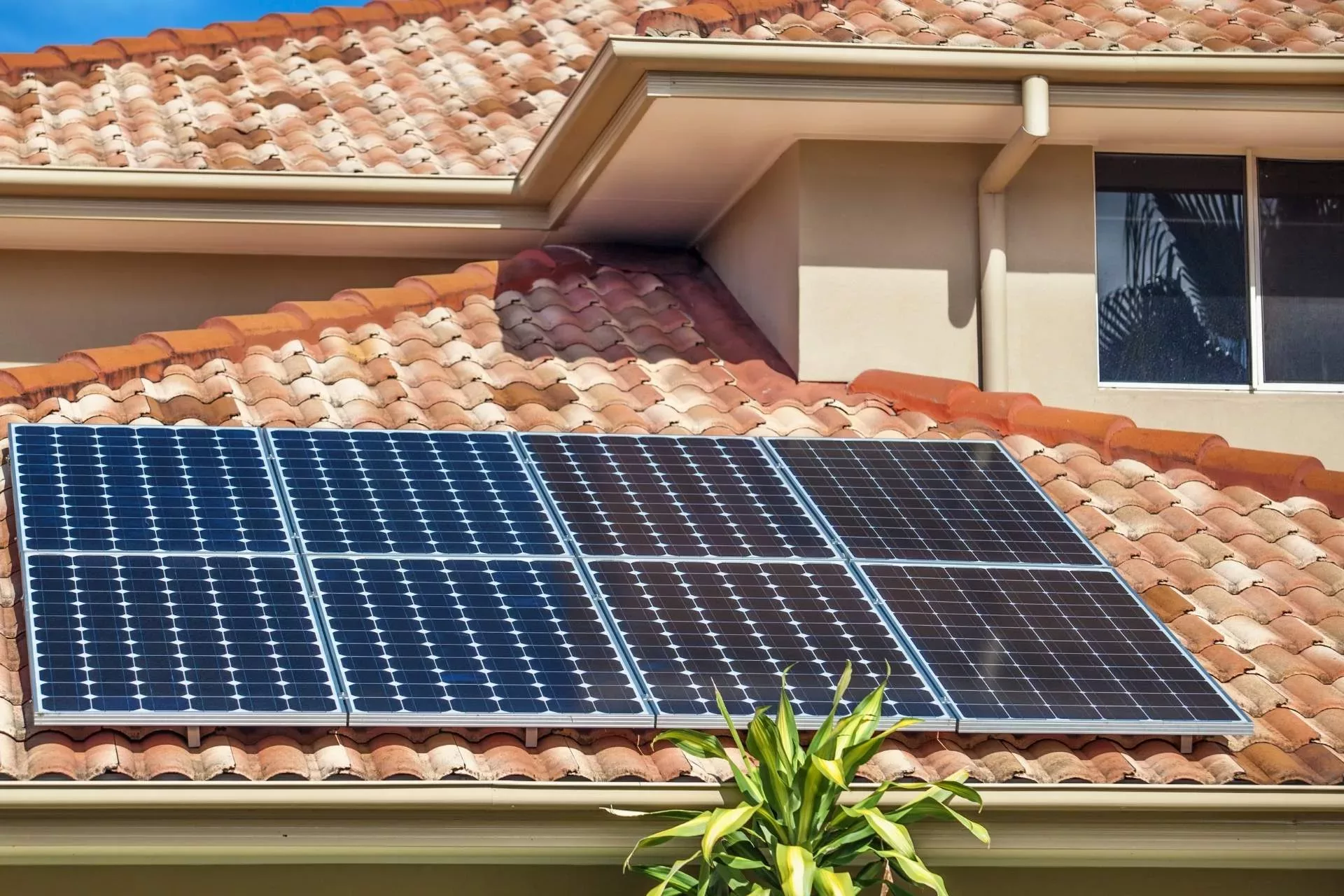
Identifying the true utility of Solar Shingle Technology requires a multi-perspective evaluation that differentiates it from both traditional roofing and standard solar panels. At its core, a solar shingle is a miniaturized photovoltaic module designed to overlap and interlock with adjacent units, forming a continuous, weather-tight hydraulic barrier. Unlike traditional panels, which rely on independent mounting racks, shingles are direct-to-deck or batten-mounted, becoming a structural part of the building’s exterior.
Common misunderstandings in the current market often center on a perceived “efficiency penalty.” While early iterations of integrated shingles struggled with thermal management—since they lacked the cooling airflow found beneath racked panels—modern 2026 designs utilize back-contact cells and ventilated substrates to narrow the performance gap. Oversimplification also risks ignoring the “Active-to-Inactive” ratio. On a typical roof, not every shingle is a generator; a sophisticated plan uses “dummy” or inactive shingles on north-facing or shaded sections to maintain visual continuity without wasting capital on inactive silicon.
Furthermore, the “Technology” in solar shingles is as much about the electrical interconnects as it is about the cells. The primary engineering challenge of an integrated roof is managing hundreds of individual electrical connections in an environment characterized by extreme thermal expansion and contraction. High-authority systems now utilize automotive-grade wiring harnesses or weight-triggered contact points, ensuring that the roof remains electrically stable for the 25-to-30-year lifecycle expected of a premium architectural product.
Contextual Evolution: The Path to Integration
The historical trajectory of solar roofing moved from the “stick-on” thin-film laminates of the early 2000s to the rigid, tempered-glass monocrystalline tiles that dominate the market in 2026. The shift was catalyzed by the failure of flexible substrates, which suffered from high degradation rates and poor aesthetic aging. By the mid-2020s, the entry of major roofing manufacturers like GAF and CertainTeed into the sector signaled the democratization of the technology. These legacy players applied their expertise in water-shedding and high-velocity wind resistance to solar modules, effectively turning the solar installer into a roofer and vice versa.
Conceptual Frameworks and Mental Models
To manage a project of this complexity, professionals utilize specific mental models to prevent systemic failure:
-
The Single-Skin Doctrine: This framework assumes the solar shingle is the primary water barrier. If the shingle fails to shed water, its electrical efficiency is irrelevant. This prioritizes “lapping” and “flashing” over photon capture in the hierarchy of design.
-
The Thermal Sink Gradient: Because shingles are flush-mounted, the roof deck acts as a heat sink. Professionals use this model to calculate the “Temperature Coefficient” of the specific cell chemistry, ensuring that the system doesn’t lose excessive power during the peak heat of summer.
-
The Displaced Cost Logic: Instead of viewing the system as an “add-on,” this model subtracts the cost of a high-end metal or slate roof from the total solar investment. This shifts the perception from “expensive solar” to “subsidized premium roofing.”
Key Categories and Technical Variations
The 2026 market is stratified by the level of architectural integration and cell chemistry.
Comparison of Solar Shingle Architectures
| Category | Primary Material | Installation Method | Peak Efficiency |
| Monocrystalline Rigid | Tempered Glass | Nailable / Interlocking | 19% – 22% |
| CIGS Thin-Film | Flexible Polymer | Adhesive / Overlaid | 14% – 17% |
| Integrated Ceramic | Concrete/Clay | Batten-mounted | 15% – 18% |
| Modular Metal Tiles | Steel/Aluminum | Direct-to-Deck | 17% – 20% |
Decision Logic: Retrofit vs. New Build
For a homeowner with a roof in good condition, standard panels remain the default for ROI. However, for a new build or a total roof replacement, Solar Shingle Technology becomes viable when the aesthetic premium of the home exceeds the 7–10% output advantage of tilted panels. The choice between rigid glass and flexible CIGS usually depends on wind-load requirements; rigid tiles excel in hurricane zones, while thin-film is often preferred for curved or complex roof geometries.
Detailed Real-World Scenarios and Constraints Solar Shingle Technology
Scenario 1: The “High-Wind” Coastal Property
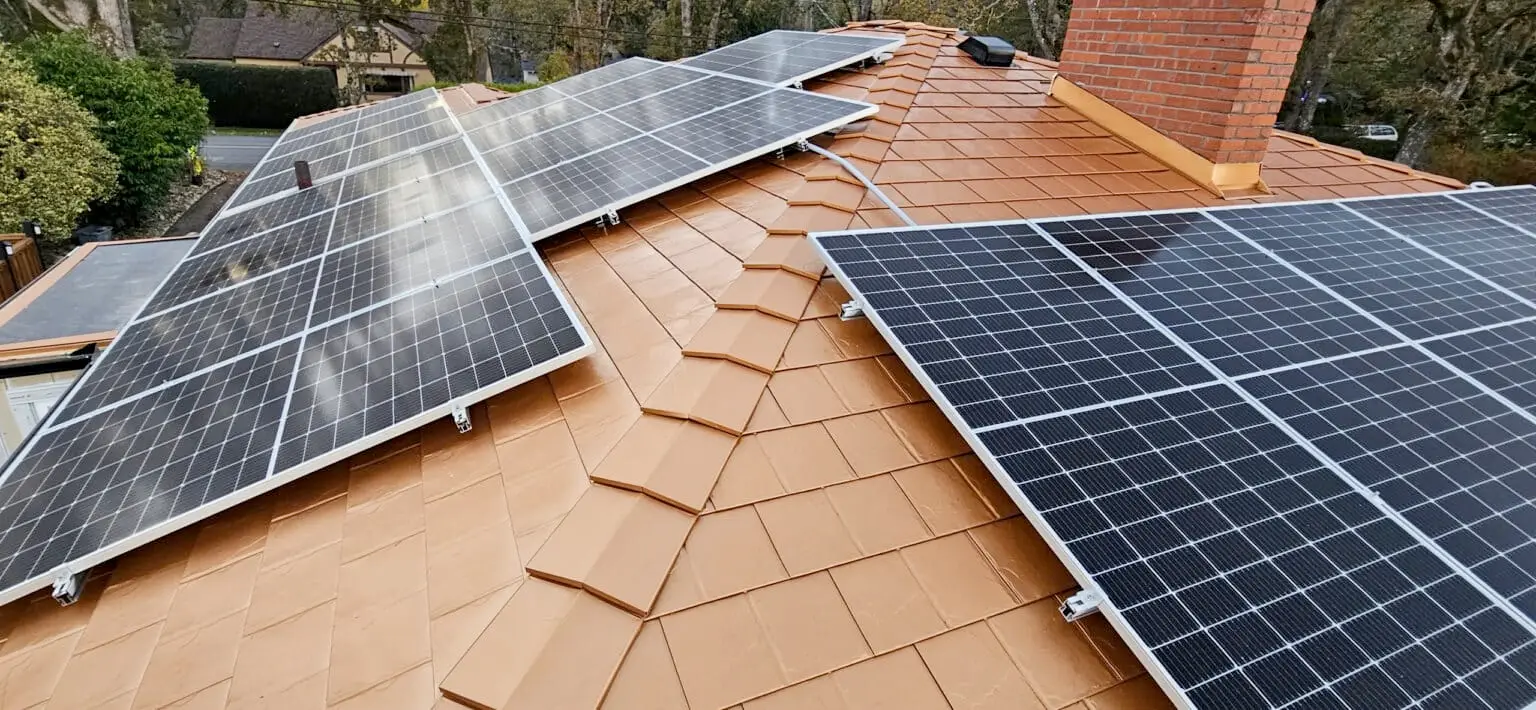
In coastal regions where wind speeds can exceed 130 mph, standard solar panels act like sails, creating massive “uplift” forces that can damage the roof structure. Solar shingles are the strategic choice here because they are nailable and lie flush, eliminating the wind gap. The constraint is “Salt-Mist Degradation,” requiring a system with a Class 1 fire rating and specialized anti-corrosive connectors.
Scenario 2: The HOA “Aesthetic Conflict”
Many Homeowners Associations (HOAs) historically banned solar due to “industrial aesthetics.” Solar shingles—particularly those that mimic asphalt or slate—provide the failure-mode bypass for these legal constraints. By maintaining the neighborhood’s visual character, they allow for energy autonomy where traditional panels are prohibited.
Planning, Cost, and Resource Dynamics
The financial math of solar shingles is more complex than standard PV due to the “Dual-Asset” nature of the product.
Range-Based Resource Allocation (Per Roofing Square – 100 sq ft)
| Expense Item | Mid-Range Shingle (GAF/CertainTeed) | High-End / Luxury (Tesla/Luma) |
| Hardware (Active) | $1,800 – $2,500 | $4,500 – $6,500 |
| Inactive “Dummy” Tiles | $400 – $700 | $1,200 – $2,000 |
| Installation Labor | $1,200 – $1,800 | $3,500 – $5,000 |
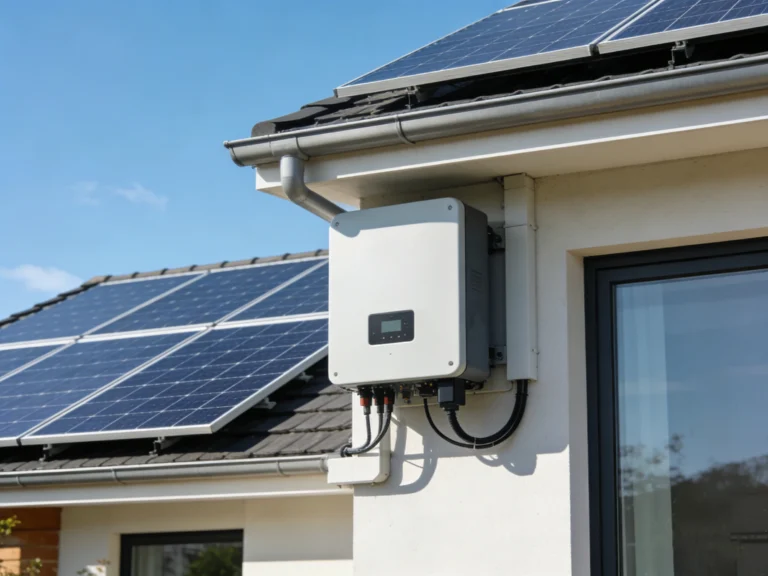
| Electrical / Inverter | $3,000 – $5,000 | $7,000 – $12,000 |
Opportunity Cost: Choosing a non-active designer roof (like natural slate) costs $25–$40 per square foot. In the 2026 market, a solar shingle system often results in a “Payback” of 12–15 years, which is longer than the 7-8 years for panels, but shorter than the “infinite” payback of a standard roof that produces no income.
Tools, Strategies, and Support Systems
-
Module-Level Power Electronics (MLPE): Indispensable for solar roofs to mitigate the impact of partial shading from chimneys or trees.
-
Back-Contact Cells: A cell architecture that moves busbars to the rear, increasing the active surface area and improving aesthetics.
-
Hydro-Channel Flashing: Specialized drainage channels built into the shingle edges to prevent moisture backup in the absence of traditional airflow.
-
Integrated Rapid Shutdown: NEC-compliant safety that de-energizes the roof at the individual tile level for fire safety.
-
Thermal Imaging Drones: The primary diagnostic tool for identifying failing “hot spot” shingles in a large, integrated array.
-
Dual-Pole Mounting: Racking systems that allow shingles to “float” slightly above the deck for improved cooling.
Risk Landscape and Taxonomy of Failure
The risks of solar shingles are “systemic” rather than “component-based.”
-
Thermal Accumulation Fatigue: Without the 4-inch air gap found under traditional panels, the heat trapped between the shingle and the deck can accelerate the degradation of the roof underlayment.
-
Interconnect Complexity: A 6kW solar roof may have 300+ individual electrical connections. Every connection is a “Point of Failure” for an open-circuit fault.
-
Expansion Creep: In climates with $100^\circ F$ diurnal temperature swings, the physical expansion of the shingles can put stress on the wiring harnesses, leading to insulation chafe.
-
Vapor Lock: If the roof is not designed with a “cold roof” assembly (air space below the deck), moisture from the home’s interior can condense on the underside of the cool solar shingles, leading to deck rot.
Governance, Maintenance, and Long-Term Adaptation
-
Quarterly Efficiency Audit: Monitoring the “Specific Yield” (kWh/kWp) to detect slow degradation that might be masked by seasonal changes.
-
Annual Connectivity Test: Using an Ohmmeter to check for increasing resistance in the wiring branches.
-
Cleaning Strategy: Unlike panels, shingles are harder to reach and more sensitive to pressure. A “Soft-Wash” with deionized water is required every 12 months in high-soiling areas.
-
The 25-Year Inverter Cycle: While shingles last 30 years, the inverters typically fail at year 12–15. The plan must account for this mid-life capital expense.
Measurement, Tracking, and Evaluation
-
Leading Indicator: “String Voltage Stability.” If voltage fluctuates more than 5% during clear sun, it indicates a loose connection.
-
Lagging Indicator: “Cumulative Savings vs. Amortized Cost.” Tracking when the avoided utility cost crosses the net investment line.
-
Qualitative Signal: “Curb Appeal Valuation.” Real estate data from 2026 suggests homes with integrated solar shingles sell for a 4–6% premium over homes with racked panels or traditional roofs.
Common Misconceptions and Oversimplifications
-
Myth: “You can’t walk on them.” Correction: Most 2026 glass-based shingles are rated for 250+ lbs of point-load, though specialized “walking paths” are still recommended for maintenance.
-
Myth: “They’ll melt the snow too fast.” Correction: Shingles stay warmer than the surrounding roof, causing snow to slide off earlier, which can actually prevent “Ice Damming.”
-
Myth: “One broken shingle kills the whole roof.” Correction: Parallel wiring and bypass diodes ensure that a single failure only impacts a small fraction of total output.
-
Myth: “It’s a fire hazard.” Correction: Modern BIPV shingles are Class A fire rated, providing the same protection as standard asphalt.
Conclusion: Synthesis and Adaptability
The integration of Solar Shingle Technology represents the final step in the transition toward a “closed-loop” residential exterior. By merging the structural necessity of a roof with the economic utility of power generation, homeowners are effectively derisking their future energy costs while preserving the architectural integrity of their primary investment. The true mastery of this technology lies in the recognition that a solar roof is not a gadget, but a thirty-year infrastructure project. Success requires a balance of hydrothermal engineering, electrical precision, and a long-term commitment to system governance. As we look toward the 2030s, the “passive roof” will likely be viewed as an architectural relic, replaced by the intelligent, energy-productive skins of the current era.