Budget Solar Friendly Landscaping: A Guide to Efficiency and Aesthetics
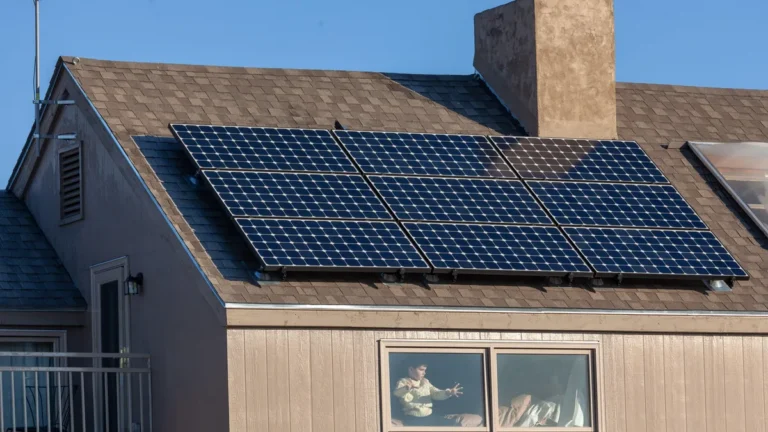
The transition to residential solar power is typically viewed as a mechanical upgrade—an assembly of glass, silicon, and aluminum fixed to a roof or a ground mount. However, the performance of these systems is inextricably linked to the biological environment surrounding them. Budget Solar Friendly Landscaping. The “solar microclimate”—the specific atmospheric and thermal conditions immediately adjacent to the panels—dictates whether an array operates at its peak nameplate capacity or suffers from heat-induced degradation and shading losses.
When we approach the exterior of the home with a mandate for Budget Solar Friendly Landscaping, we are essentially engineering a thermal and optical buffer. Strategic planting and ground management do more than provide curb appeal; they act as a passive cooling system for the photovoltaic (PV) cells. High temperatures are the primary enemy of electrical efficiency in silicon-based solar panels, with output dropping by approximately 0.3% to 0.5% for every degree Celsius above standard test conditions. By utilizing the natural cooling power of plant transpiration and light-reflective ground covers, a homeowner can effectively increase their energy harvest without adding a single extra panel.
The challenge, particularly for the budget-conscious property owner, lies in balancing the desire for a lush, biodiverse yard with the rigid requirement for zero shading. A single poorly placed deciduous tree can, over a decade, grow to obstruct 20% of an array’s sky access, potentially negating thousands of dollars in energy savings. Navigating this tension requires a departure from traditional gardening toward a “systems-thinking” approach where every shrub, stone, and blade of grass is evaluated for its impact on the home’s energy balance.
Understanding “Budget Solar Friendly Landscaping”
To master Budget Solar Friendly Landscaping, one must first dismantle the myth that “solar-friendly” means “barren.” There is a persistent misunderstanding that the area around a ground-mount system or the south-facing side of a house must be stripped of life to ensure maximum sun exposure. In reality, a barren, dirt-filled yard creates two major problems for solar arrays: heat islands and dust. Bare earth absorbs solar radiation, radiating heat upward and reducing panel efficiency, while dry soil generates dust that settles on the glass, creating “soiling losses” that can sap 5–10% of total output.
A multi-perspective explanation of this discipline reveals that it is an exercise in “height-controlled biodiversity.” For the homeowner, it is about selecting low-growth species that provide the benefits of a garden—moisture retention, soil stability, and aesthetics—without ever reaching the “critical shade height” of the panels. For the solar system, it is about creating a “Cooling Zone.” Plants release water vapor through their leaves (transpiration), a process that consumes heat and lowers the ambient air temperature around the panels.
The risk of oversimplification in this field is the “Fast-Growth Trap.” Many budget-conscious gardeners gravitate toward fast-growing “privacy” hedges to hide the industrial look of solar equipment. However, the very trait that makes these plants cheap (high growth rates) makes them a long-term liability for solar efficiency. A truly budget-friendly landscape is one where the “maintenance-hours-per-watt” are kept at an absolute minimum through the use of slow-growing, predictable, and resilient native species.
Deep Contextual Background
The historical relationship between landscaping and energy has shifted from “Shade-First” to “Solar-First.” In the 1970s and 80s, the hallmark of an energy-efficient home was the “Deciduous Strategy”: planting large trees on the south side of a home to block the high summer sun while allowing low winter sun to warm the windows. While this remains effective for passive cooling, it is fundamentally incompatible with the modern rooftop solar era.
Today, we are seeing the emergence of “Agrivoltaics” at a residential scale—the practice of growing food or specialized habitats beneath and around solar panels. This systemic evolution is driven by the realization that solar panels and plants can have a symbiotic relationship. Panels provide shade to delicate ground-covers, reducing their water needs, while the plants provide the cool microclimate that the panels need. The “Budget” aspect of this movement has been fueled by the declining cost of native seeds and the rising cost of traditional high-maintenance turf-grass, which requires expensive fertilizers, heavy watering, and fossil-fuel-burning mowers.
Conceptual Frameworks and Mental Models
When designing a solar-integrated landscape, use these mental models to guide your decisions:
-
The “Cone of Silence” (Sun-Path Geometry): Visualize the sun’s path across the sky as a physical exclusion zone. Any plant that enters this “cone” at its mature height is a technical failure. For budget planning, always research a plant’s maximum height, not its average height.
-
The Transpirational Air Conditioner: View every green leaf as a tiny, solar-powered fan. The more surface area of low-growth greenery you have around your panels, the cooler the air intake will be for the array.
-
The “No-Dig” Barrier: For budget ground-mounts, the most expensive part of maintenance is weed control. A mental model of “smothering” rather than “pulling” leads to the use of thick organic mulches or heavy-duty landscape fabrics covered with locally sourced stone—a one-time investment that prevents years of labor.
Key Categories of Solar-Optimized Vegetation
To optimize for a budget, focus on these categories that offer the highest “cooling-to-cost” ratio.
| Category | Primary Benefit | Mature Height | Maintenance Level |
| Native Creeping Thyme | Fragrant, high-transpiration | 2 – 4 inches | Very Low |
| Sedum (Stonecrop) | Drought-hardy, succulent | 3 – 6 inches | Minimal |
| Buffalo Grass | Slow-growing, low water | 4 – 6 inches | Occasional mow |
| Dwarf Pollinator Mix | Supports local ecosystem | 6 – 12 inches | Annual scythe |
| White Clover | Nitrogen-fixing, cooling | 4 – 8 inches | Low |
| River Rock / Gravel | High albedo (light reflect) | 0 inches | Weed-watch only |
Realistic Decision Logic
If the priority is maximizing energy output in a hot climate, White Clover or Creeping Thyme are superior because their high water content provides maximum evaporative cooling. If the project is a “set-and-forget” rental property, River Rock or Sedum are the safer budget choices, as they require zero pruning and cannot “bolt” upward to shade the panels during a rainy season.
Detailed Real-World Scenarios Budget Solar Friendly Landscaping
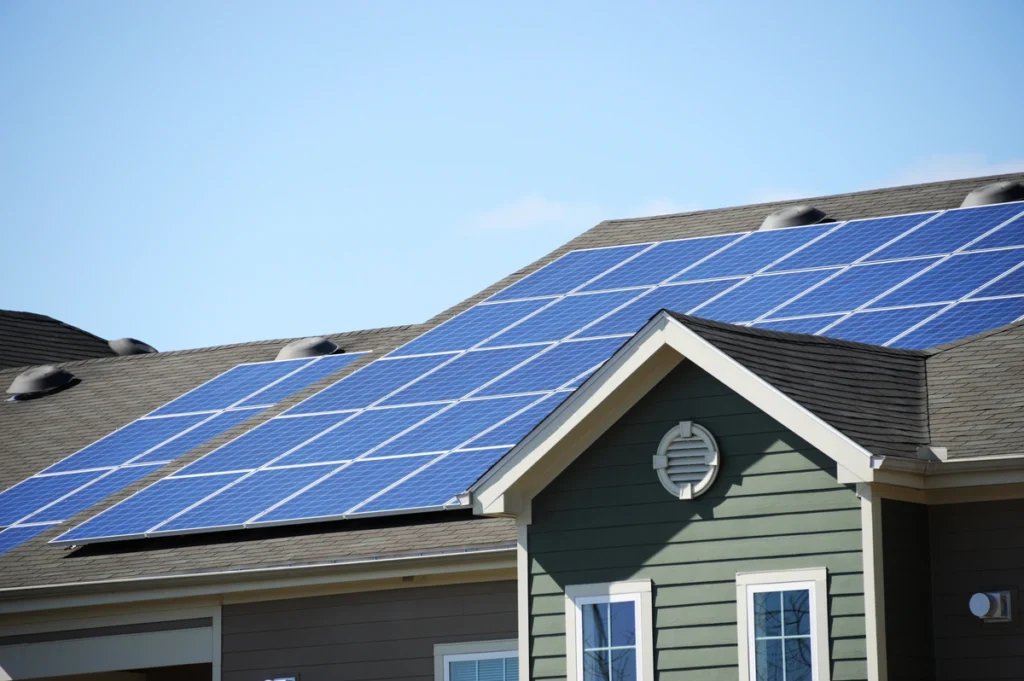
Scenario 1: The Suburban Rooftop Array
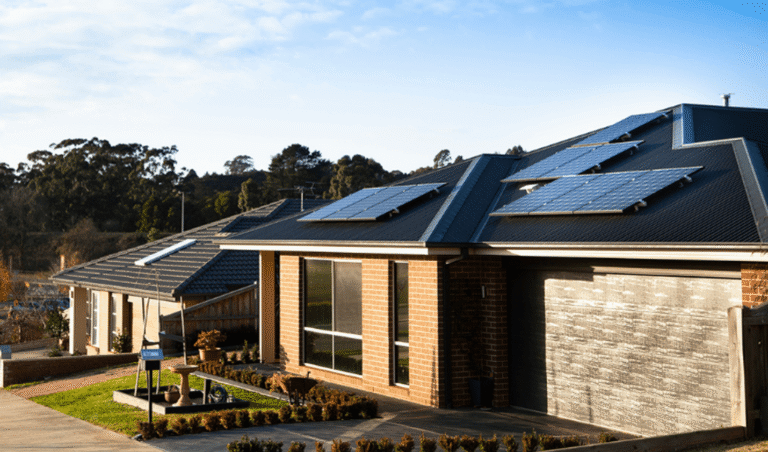
A homeowner has a south-facing roof with panels. The “Budget Solar Friendly Landscaping” strategy here focuses on the ground in front of the house. Instead of a dark asphalt driveway or black mulch—which absorb heat and radiate it back toward the roof—the owner installs light-colored pea gravel or a pale stone patio. This increases the “Albedo” (reflectivity), potentially providing a 1–2% boost in panel yield through reflected light.
Scenario 2: The Backyard Ground-Mount
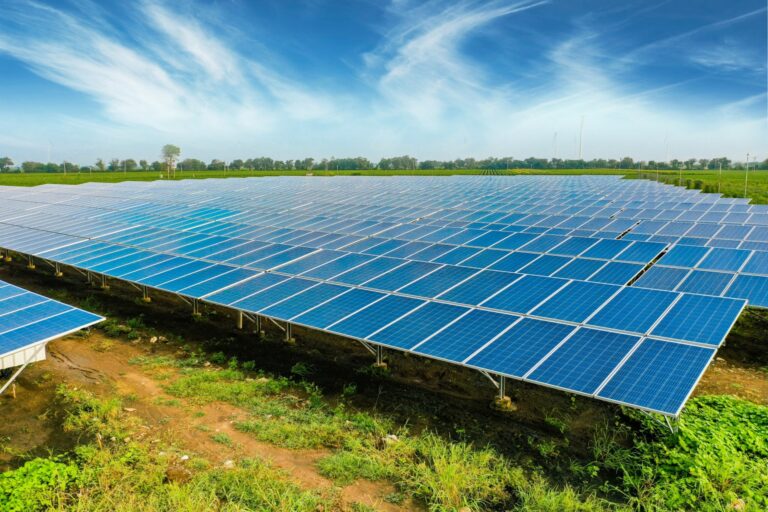
A rural property installs a large ground-mounted array. To save money, they avoid paving. Instead, they use a “Sheet Mulching” technique: laying down free cardboard from local appliance stores and covering it with 4 inches of local woodchips. They then plant “Dwarf Bee Balm” around the perimeter to satisfy HOA requirements for “beautification” without ever shading the modules.
Scenario 3: The Fire-Prone Wildland Interface
In a dry, high-fire-risk zone, the landscaping must be “Lean and Clean.” The area within 10 feet of the solar equipment is strictly non-combustible (crushed stone). Beyond that, the owner uses “succulent landscaping” with high-moisture-content plants like Agave or Aloe, which act as a living firebreak while keeping the ground temperature low.
Planning, Cost, and Resource Dynamics
The “Budget” in solar landscaping is often achieved by substituting “Time” and “Natural Processes” for “Expensive Hardware.”
| Resource | Estimated Cost (20’x20′ area) | Strategy for Savings |
| Native Seed Mix | $40 – $100 | Buy in bulk from local conservation districts. |
| Inert Ground Cover | $150 – $500 | Source “crushed fines” from a local quarry; avoid bag-delivery. |
| Landscape Fabric | $50 – $120 | Use 20-year “commercial grade” to avoid replacement costs. |
| Drip Irrigation | $100 – $250 | Gravity-fed system using a rain barrel; no pump needed. |
Opportunity Cost: Choosing to save $200 by using standard “Tall Fescue” grass is a false economy. The cost of fuel, mower maintenance, and the physical time required to mow under and around low-clearance solar panels will exceed the initial “savings” within the first two years.
Tools, Strategies, and Support Systems
-
The “Shade Map” (Manual or App): Before planting, use a Suneye tool or a simple smartphone app to verify that a shrub’s mature height won’t cross the sun-line at 10:00 AM in December.
-
Cardboard Smothering: A free method to kill weeds and prepare the soil for solar-friendly ground covers without using expensive, toxic herbicides.
-
Local Woodchip Resources: Utilizing apps like “ChipDrop” to get free mulch from local arborists, significantly reducing the “soft costs” of ground prep.
-
Dwarf Cultivars: Always look for the “Nana” or “Prostratus” designation on plant tags, which indicates a naturally low-growing variety.
-
Inert Perimeters: A 3-foot “dead zone” of gravel immediately surrounding the array to prevent creep and provide easy access for maintenance.
-
Pollinator Scorecards: Using state-level templates to ensure your solar landscape qualifies for local tax breaks or conservation grants.
Risk Landscape and Failure Modes
The primary risk in Budget Solar Friendly Landscaping is “Height Creep.” Plants that are marketed as “low-growing” can often double in size if given the high-nitrogen fertilizers often used on lawns.
Compounding Risks:
-
Rodent Harborage: Overly dense ground covers (like ivy) can provide a home for squirrels and mice, who then chew through the expensive DC wiring of the solar array.
-
Dust Accumulation: Using a high-sand soil mix in a windy area can lead to constant “soiling” of the panels, requiring weekly cleaning.
-
Reflective Glare: In rare cases, using white-painted gravel can reflect too much light into a neighbor’s window or create “hotspots” on older, non-tempered solar glass.
Governance, Maintenance, and Long-Term Adaptation
A successful solar landscape requires a “Governance Plan” to ensure the biology doesn’t overtake the technology.
-
The “Vertical Clearance” Review: Every spring, physically measure the tallest plants near the array. If they are within 12 inches of the panel edge, they must be pruned.
-
Drip Line Inspection: Solar panels act as a “rain umbrella,” creating a “dry shadow” directly beneath them. Ensure your irrigation or plant selection accounts for this permanent lack of natural rainfall.
-
Invasive Species Monitoring: Fast-growing vines (like Kudzu or Morning Glory) can “climb” a solar mount in a matter of weeks. An “Early Detection” walk-through every 14 days during the growing season is critical.
Measurement, Tracking, and Evaluation
-
Leading Indicators: Soil moisture levels in the “cooling zone”; the lack of weed breakthrough in the gravel perimeter.
-
Lagging Indicators: Total energy production (kWh) compared to a neighboring system with a barren yard; frequency of “Panel High Temp” alerts from your inverter.
-
Qualitative Signals: Presence of pollinators; visual “blending” of the array into the property’s aesthetic.
Documentation Examples
-
The “Species Log”: A list of every plant installed, its maximum height, and its drought-tolerance rating.
-
Before/After Temperature Reading: Using a simple IR thermometer to measure the difference between a dirt patch and a thyme patch under the panels.
-
The “Shade Log”: A winter solstice photo showing that the garden is still 100% clear of the panel’s lower edge.
Common Misconceptions and Oversimplifications
-
“Rock is always better than plants”: Rock is easy, but it creates a “Heat Island.” In very hot climates, a low-growth green cover is actually better for energy production than stone.
-
“Native plants are ugly”: Many “Solar-Friendly” natives like Phlox subulata (Creeping Phlox) create a stunning carpet of color while staying under 6 inches tall.
-
“I can just use a weed-whacker”: Using a weed-whacker near solar cables is extremely dangerous and a common cause of system failure.
-
“Shade in the evening doesn’t matter”: While 10:00 AM to 2:00 PM is peak production, “clipping” the edges of the day with late-afternoon shade can still reduce your total ROI by 5–8%.
-
“Wildflowers are maintenance-free”: “Dwarf” mixes still need to be mowed or cut back once a year to prevent woody stems from developing.
Ethical and Practical Considerations
There is a practical “Duty of Care” regarding water use. Using a massive amount of municipal water to keep a “cooling garden” alive for solar panels is ecologically counter-productive. The ethical approach is to use “Xeriscaping”—landscaping designed to survive on natural rainfall alone. Furthermore, we must consider “Ecosystem Services.” If your solar landscaping provides a habitat for endangered local bees, you are providing a public good that far exceeds the value of the electricity generated.
Synthesis and Future Adaptability
The successful implementation of Budget Solar Friendly Landscaping represents a sophisticated union of ecology and engineering. By treating the yard as a functional component of the power plant, the homeowner moves beyond mere decoration toward true “Site Optimization.”
As we look toward the future, we can expect to see “Smart Irrigation” systems that use the surplus power from the solar panels to pump water precisely when the plants need it to maximize cooling. The yard of the future is not a lawn; it is a high-efficiency, biodiverse, thermal-management system. Through patient observation and the selection of the right species, you can ensure that your solar investment remains protected, cooled, and productive for the next three decades.