The Definitive Guide to Solar Thermal Systems: Technology, ROI
The transition toward a decarbonized energy economy is frequently characterized by the rapid expansion of photovoltaics, yet this focus often obscures the inherent efficiency of direct thermal conversion. While photovoltaic cells must navigate the “Shockley-Queisser limit” of semiconductor physics to convert photons into electrons, thermal harvesting operates on the more direct principle of heat absorption and transfer. Solar Thermal Systems. This process bypasses the inefficiencies of multi-stage energy conversion, offering a remarkably high-yield solution for domestic, industrial, and utility-scale heat requirements.
The integration of advanced heat-transfer fluids, vacuum insulation, and phase-change storage has transformed what was once a rudimentary plumbing solution into a sophisticated branch of mechanical engineering. Modern systems are no longer merely “black boxes on a roof”; they are dynamic thermal processors that manage pressure, prevent stagnation, and optimize the delta-T (temperature difference) between the collector and the load. This nuance is critical, as the viability of a thermal installation depends less on the total hours of sunlight and more on the precision of the system’s integration with the building’s existing thermal envelope.
As we analyze the current state of the industry, we find a sector bifurcated between low-temperature applications—primarily residential water heating and pool temperation—and high-temperature Concentrated Solar Power (CSP) designed for industrial process heat or steam-driven electricity generation. Navigating this landscape requires an understanding of the interplay between radiative physics and fluid dynamics. To implement these systems effectively, one must look beyond the initial hardware cost and account for the long-term operational thermodynamics that dictate the true return on investment in a volatile energy market.
Understanding “Solar Thermal Systems”
A primary point of confusion in modern energy discourse is the failure to distinguish between light-based electricity and heat-based energy. “Solar Thermal Systems” are specifically engineered to capture solar radiation and convert it into thermal energy, typically stored in a liquid or gaseous medium. This energy is then either used directly (as hot water or space heating) or converted mechanically into electricity via steam turbines. The fundamental difference lies in the storage medium; whereas electricity requires chemical batteries, thermal energy can be stored in insulated tanks, molten salts, or even sand, often at a significantly lower cost per kilowatt-hour of storage.
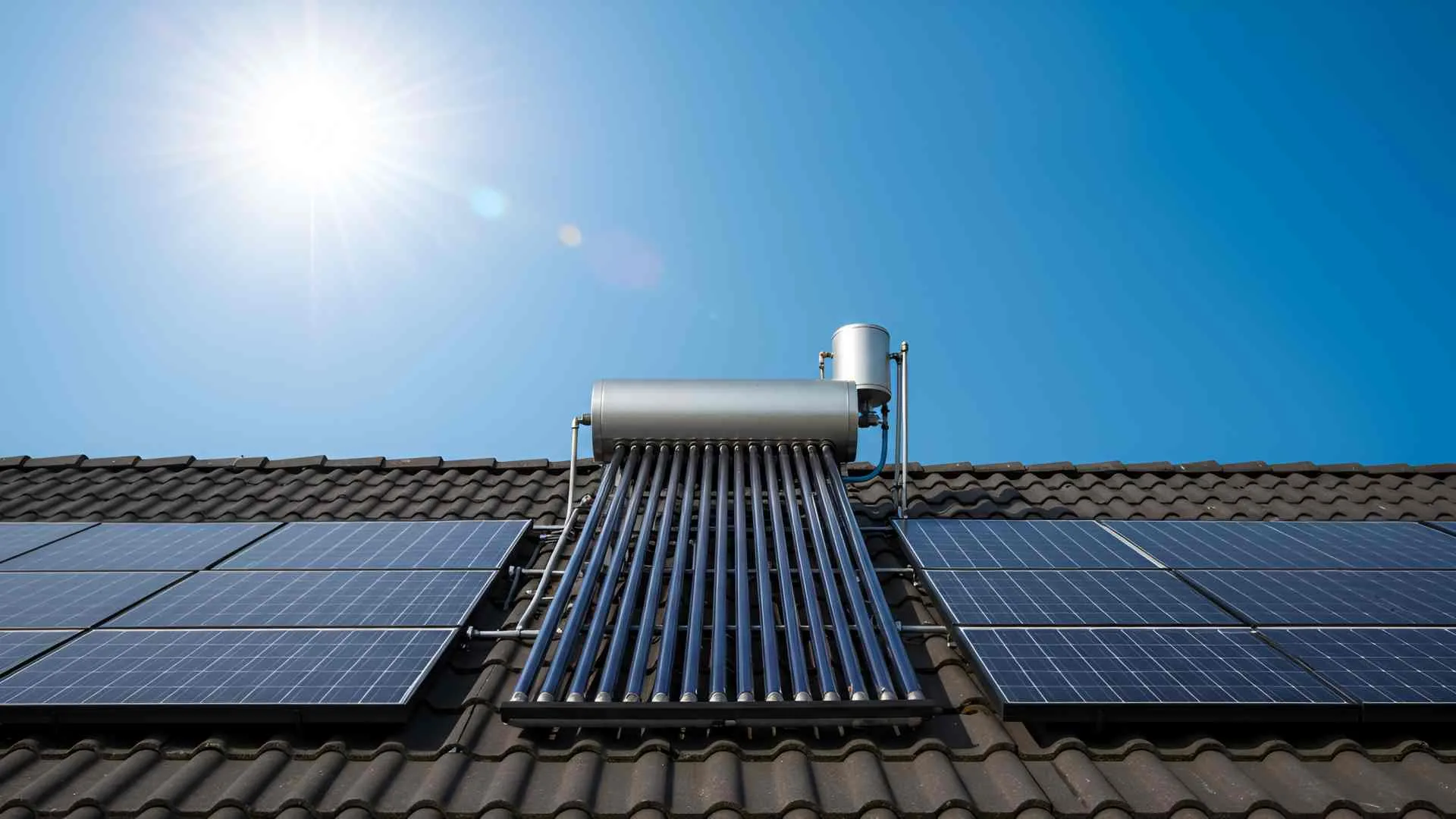
Oversimplification often leads to the belief that these systems are only viable in tropical climates. In reality, modern evacuated tube collectors utilize a vacuum to eliminate conductive and convective heat loss, allowing them to produce high-temperature water even in sub-freezing ambient conditions. The risk, however, lies in mismatching the collector type to the load requirement. Installing a high-performance vacuum system for a low-temperature pool heating application is a failure of engineering economy, just as using a simple flat-plate collector for high-temperature industrial steam is a failure of physics.
The “Solar Thermal” concept must also be viewed through the lens of entropy. High-grade heat is more “useful” but harder to maintain. Therefore, a successful system is defined by its ability to minimize thermal degradation during the journey from the collector manifold to the point of end-use. This requires a sophisticated understanding of insulation chemistry, pipe geometry, and the parasitic power draw of the circulating pumps.
Deep Contextual Background
The lineage of thermal harvesting is significantly older than the semiconductor industry. While the 18th century saw Horace de Saussure develop the first “hot box” precursors to flat-plate collectors, the industrial application peaked in the early 20th century in California and Florida, where solar water heaters were standard features in thousands of homes before the widespread availability of cheap natural gas.
The systemic evolution was punctuated by the energy crises of the 1970s, which spurred the development of selective coatings—materials that are highly absorbent of short-wave solar radiation but have low emittance of long-wave thermal radiation. This breakthrough allowed collectors to reach much higher temperatures without increasing their physical footprint. Today, the evolution is driven by materials science, specifically in the realm of “spectral selectivity” and the use of nano-fluids to increase the heat-carrying capacity of the working medium.
Conceptual Frameworks and Mental Models
To analyze a thermal installation, one should apply these three primary frameworks:
-
The Delta-T Efficiency Curve: Understand that the efficiency of a collector is not a fixed percentage. It is a sliding scale based on the difference between the fluid temperature and the ambient air. The higher the target temperature, the more “leakage” occurs, requiring more advanced insulation (like vacuum) to compensate.
-
Thermal Inertia and Buffering: Unlike PV, which stops generating the moment a cloud passes, thermal systems have inherent “momentum.” The water in the pipes and the mass in the storage tank act as a buffer, smoothing out the energy delivery. This mental model shifts the focus from “peak power” to “total energy harvest.”
-
The Stagnation Threshold: Every system has a point where it can no longer dump heat (e.g., the tank is full, and the sun is still shining). Understanding how a system “fails safe” at this threshold—whether through mechanical dissipation or steam-back design—is the hallmark of professional engineering.
Key Categories and Variations
Solar thermal technology is categorized by the temperature range it is designed to achieve and the method of concentration.
| Category | Typical Temp Range | Mechanism | Primary Application |
| Glazed Flat-Plate | 30°C – 70°C | Insulated box with copper absorber | Residential domestic hot water |
| Evacuated Tube | 50°C – 150°C | Vacuum-sealed glass tubes | Space heating & industrial process |
| Parabolic Trough | 150°C – 400°C | Curved mirrors focusing on a line | Utility-scale power (CSP) |
| Solar Power Tower | 500°C – 1000°C | Heliostat field focusing on a point | High-efficiency electricity/Hydrogen |
| Unglazed Plastic | 20°C – 30°C | Direct water flow through polymer | Seasonal pool heating |
Realistic Decision Logic
The decision matrix for these categories is driven by the “load profile.” If the requirement is 24/7 consistent heat, an evacuated tube system with a large stratified storage tank is necessary. If the requirement is purely seasonal and low-temperature, the simplest unglazed polymer system will provide the fastest payback period.
Detailed Real-World Scenarios Solar Thermal Systems
Scenario 1: The Multi-Family High-Rise
In an urban apartment complex, the constraint is roof space versus occupancy. Here, “Solar Thermal Systems” must be integrated into a central boiler loop. The failure mode often occurs in the “thermal stratification” of the central tank—if the return water is too hot, it prevents the solar loop from contributing, effectively “locking out” the renewable contribution.
Scenario 2: High-Latitude District Heating
In Nordic environments, seasonal storage is used. Heat collected in the summer is pumped into massive underground gravel-and-water reservoirs. The second-order effect is the “seasonal lag,” where the heat harvested in July provides the baseline for January’s floor heating.
Scenario 3: Industrial Dairy Processing
Milk pasteurization requires precise, high-temperature bursts. A hybrid system using concentrating mirrors can provide the bulk of the thermal energy, with a natural gas “top-off” for precision. The risk here is “scaling” (mineral buildup) in the solar collectors due to the high mineral content of local water if a direct-heating loop is used instead of a closed-loop glycol system.
Planning, Cost, and Resource Dynamics
The economic viability of thermal energy is heavily influenced by the cost of the “displaced fuel.” In regions where electricity or propane is the primary heating source, the payback is rapid.
| Cost Component | Range (USD) | Variability Factor |
| Collector Array | $1,500 – $5,000 | Material (Copper vs. Aluminum), Type |
| Storage Tank | $800 – $3,000 | Insulation rating, heat exchanger type |
| Pumping/Control Group | $400 – $1,200 | Smart-logic integration, variable speed |
| Labor/Installation | $2,000 – $6,000 | Roof pitch, piping distance, permitting |
Opportunity Cost: The space used for thermal collectors cannot be used for PV. However, a thermal collector is roughly 3–4 times more efficient at harvesting energy per square meter than a standard PV panel, making it the superior choice for high-density heat loads.
Tools, Strategies, and Support Systems
-
Differential Controllers: The “brain” that compares the collector temperature to the tank temperature and decides when to activate the pumps.
-
Expansion Vessels: Crucial for managing the pressure changes as the fluid heats and cools; a frequent point of failure if undersized.
-
Selective Coatings: Black chrome or blue sputtered coatings that maximize absorption and minimize emissivity.
-
Heat Pipes: Used in evacuated tubes to transfer heat without moving the fluid itself, allowing for “dry-connect” maintenance.
-
Stratified Storage Tanks: Designs that keep hot water at the top and cold at the bottom, maximizing the efficiency of the heat exchange.
-
Thermostatic Mixing Valves: A safety tool that prevents scalding by mixing solar-heated water with cold water before it reaches the tap.
Risk Landscape and Failure Modes
The “Solar Thermal” risk profile is primarily mechanical. The taxonomy of failure includes:
-
Freezing: If the anti-freeze (glycol) degrades or the system was designed for “drain-back” and fails to drain, the expanding ice will burst the copper headers.
-
Stagnation/Overheating: If the pump fails on a sunny day, the fluid can vaporize. This creates high-pressure steam that can blow out relief valves or degrade the glycol into an acidic sludge.
-
Galvanic Corrosion: Occurs when different metals (e.g., copper and galvanized steel) are connected without proper dielectric unions, leading to rapid pipe failure.
-
Mineral Calcification: In hard-water areas, “furring” inside the heat exchanger can reduce efficiency by 50% within a few years.
Governance, Maintenance, and Long-Term Adaptation
Effective governance of a thermal system requires a shift from “reactive repair” to “proactive monitoring.”
Layered Maintenance Checklist
-
Annual: Check glycol pH levels (it becomes acidic over time); check expansion vessel pressure.
-
Bi-Annual: Inspect roof penetrations and flashing for leaks; flush the bottom of the storage tank to remove sediment.
-
Five-Year: Replace the sacrificial anode rod in the tank to prevent internal corrosion.
The review cycle should include an evaluation of the pump’s electricity consumption. As pumps age, their “parasitic draw” can increase, potentially offsetting a portion of the solar gains.
Measurement, Tracking, and Evaluation
How do we quantify the “invisible” heat?
-
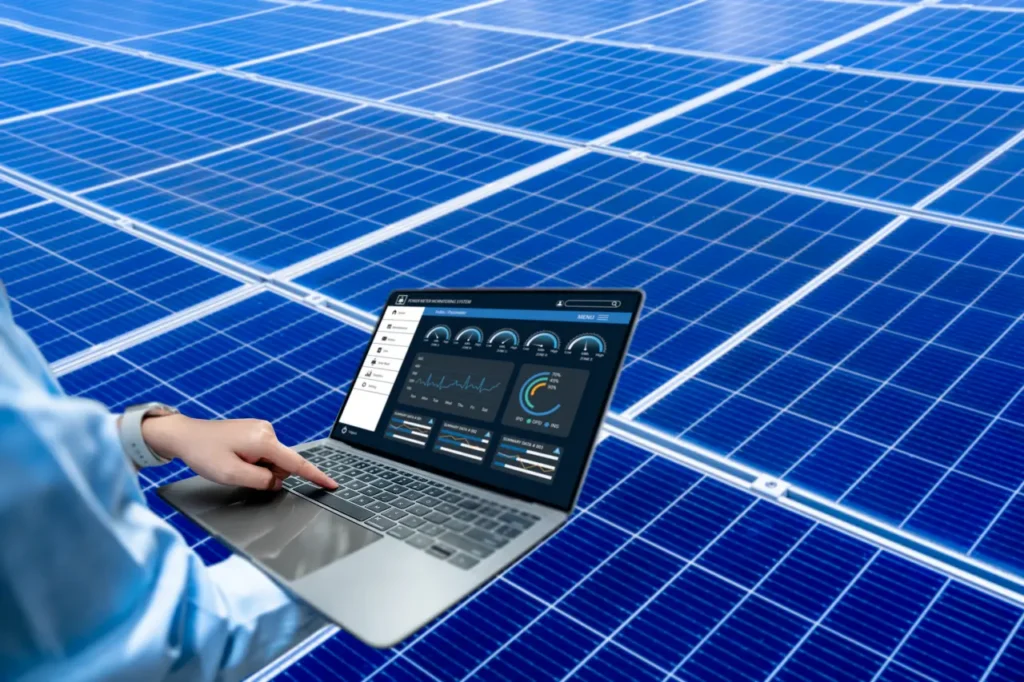
Leading Indicators: Daily temperature peak in the collector; flow rate stability.
-
Lagging Indicators: Reduction in the primary heating fuel bill; total BTU/kWh harvest recorded by a thermal energy meter.
-
Qualitative Signals: Consistency of hot water during peak usage; absence of “knocking” sounds in the pipes (which suggests air bubbles or boiling).
Documentation Examples
-
BTU Harvest Log: A monthly record comparing the estimated solar fraction against the actual heat delivered.
-
Glycol Health Record: A log of pH and freeze-point tests to predict when the heat transfer fluid needs replacement.
-
Stagnation Event Log: Tracking how often the system hits its high-limit, which might suggest the storage tank is undersized.
Common Misconceptions and Oversimplifications
-
“They don’t work in winter”: Evacuated tubes work based on light, not ambient temperature. They are highly effective in cold, sunny climates.
-
“They are high maintenance”: A properly designed closed-loop system is no more complex than a standard HVAC system.
-
“PV is always better”: If your goal is to heat water, using PV to run an electric element is significantly less efficient and more expensive than a direct thermal collector.
-
“The tank will explode”: Modern systems have three layers of safety—the controller, the pressure relief valve, and the expansion vessel.
Ethical and Practical Considerations
There is an ethical dimension to “Solar Thermal Systems” regarding material lifecycle. While PV panels face recycling challenges due to complex silicon and rare-earth doping, thermal systems are primarily composed of copper, glass, and steel—materials with robust, existing recycling infrastructures. Practically, the “energy payback” (the time it takes for the system to generate the energy used to create it) for solar thermal is often less than 12 months, one of the lowest in the renewable sector.
Synthesis and Future Adaptability
The future of thermal harvesting lies in “Hybrid PV-T” (Photovoltaic-Thermal) collectors. These systems cool the PV cells with a liquid loop, increasing the electrical efficiency while simultaneously harvesting the “waste” heat for domestic use. This synergy represents the ultimate optimization of roof space.
Ultimately, the mastery of solar thermal technology requires a respect for the “brute force” of the sun’s heat. It is a discipline of containment and transfer. As we move away from combustion-based heating, the ability to harvest, store, and deploy solar heat will become a cornerstone of architectural and industrial resilience. The systems we build today must be adaptable, governed by rigorous maintenance, and designed with the understanding that heat is not just a byproduct, but a primary resource.